Your anxious pet won’t sleep soundly because factors like loud noises or changes in routine can heighten their stress levels. When facing anxiety, pets may pace, whine, or hide, all signs that their sleep is disrupted. To help, create a calm environment with cozy beds and soothing music while maintaining a consistent routine for meals and walks. These steps can ease their worries and promote better sleep. Want to discover more effective strategies for calming your pet?
Common Triggers of Pet Anxiety
When you think about pet anxiety, it’s essential to recognize that various triggers can contribute to your furry friend’s stress.
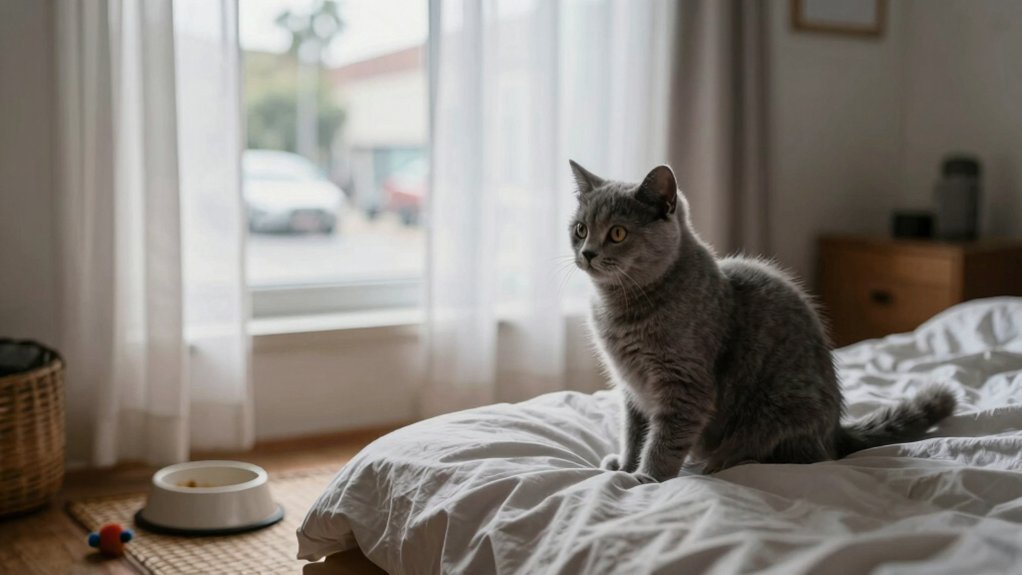
Loud noises, like thunderstorms or fireworks, can send your pet into a panic. Changes in routine, such as moving or new family members, also create uncertainty. Social situations, like trips to the vet or encounters with unfamiliar animals, can heighten their anxiety.
You might notice signs like excessive barking, hiding, or destructive behavior. To help, create a calm environment, use soothing music, or establish a consistent routine.
The Impact of Anxiety on Your Pet’s Sleep
Although you mightn’t realize it, your pet’s anxiety can greatly disrupt their sleep patterns. When pets feel anxious, they may struggle to relax, leading to restless nights.
You might notice them pacing, whining, or even hiding instead of settling down. This inability to unwind can cause interrupted sleep cycles, making them more irritable during the day.
Additionally, anxiety can lead to changes in appetite and energy levels, further affecting their overall well-being. If your furry friend seems exhausted but can’t sleep, it’s essential to understand how their anxiety impacts their rest.
Addressing this issue is vital for their health and happiness.
Tips for Creating a Calming Environment for Pets With Anxiety
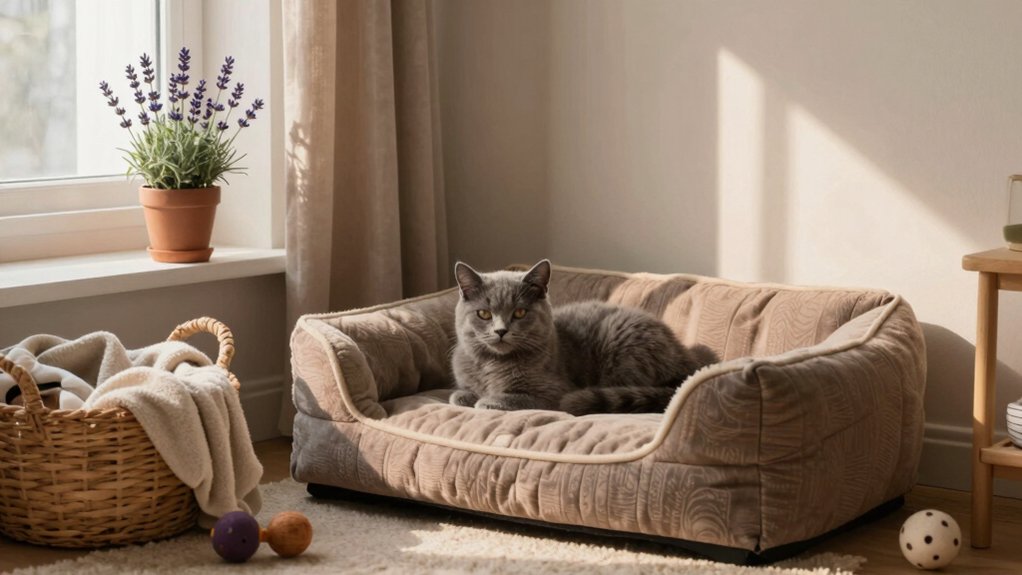
Creating a calming environment for your anxious pet can significantly improve their overall well-being, so it’s essential to contemplate a few key strategies.
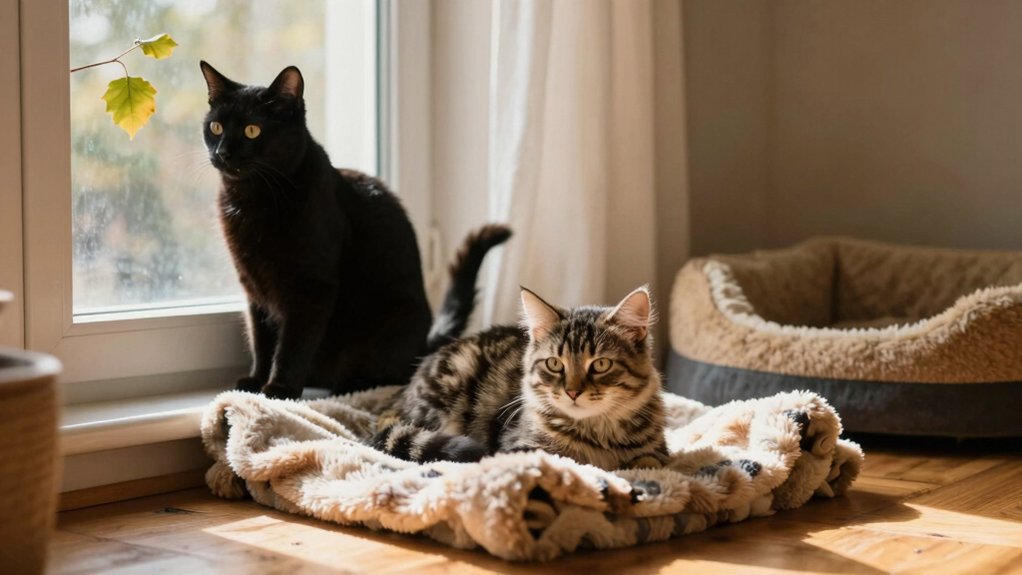
- Designate a Cozy Space: Set up a quiet corner with a comfortable bed, familiar toys, and soothing blankets where your pet can retreat.
- Control Noise Levels: Use white noise machines or calming music to mask sudden sounds that might startle your pet.
- Maintain a Routine: Keep feeding and walking times consistent, as predictable schedules can help reduce anxiety.
- Consider Self-Warming Options: Providing a self-warming cat bed can add an extra layer of comfort, as it helps regulate your pet’s body temperature and creates a sense of security.
How to Help Your Anxious Pet Sleep Better?
Ensuring your anxious pet gets a good night’s sleep can make a significant difference in their overall mood and behavior.
Start by establishing a consistent bedtime routine; this helps signal to your pet that it’s time to wind down. Consider using calming aids, like pheromone diffusers or soft music, to create a soothing atmosphere.
You might also try adding a cozy blanket or a favorite toy to their sleeping area. If your pet still struggles, consult your vet about potential supplements or medications. Additionally, providing a supportive orthopedic cat bed can help alleviate pressure on their joints and promote better sleep quality.